Casual means low commitment, not low quality

There is a persistent idea that casual games are what you play when you cannot handle real games. That gets the design backwards. Casual is a promise about interruption: you can stop at any moment, lose nothing, and come back without having forgotten where you were. Making that promise hold is difficult, and games that keep it are engineered more carefully than their presentation suggests.

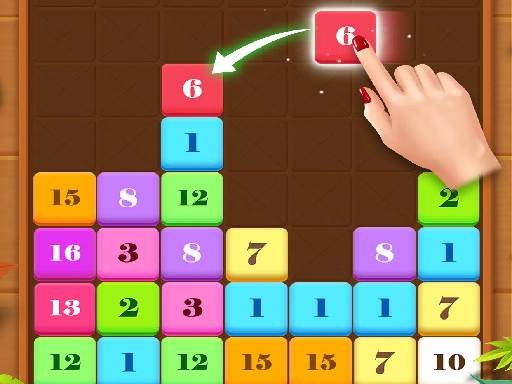
Look at what a casual game has to get right. It must be legible within seconds, it must have no failure state that punishes absence, and it must still offer a sense of progress — otherwise there is no reason to return. Satisfying all three at once is a real constraint, and the titles on this page are the ones that manage it without padding.

Choosing by the kind of tired you are

Mentally drained but hands restless. Repetitive, low-decision games: cleaning, sorting, tidying. House Cleaning Game is exactly this — the satisfaction comes from order appearing, not from challenge. It is the closest thing in games to washing dishes.

Wanting to make something. Colouring and decoration games. Easy to Paint Spring Time and Easter Day Coloring are slow, forgiving, and have no score at all. That absence is the point.

Wanting mild progress without pressure. Match-and-collect games like Candy Go Round. There is a real difficulty curve here, but it waits for you rather than pushing.

Playing with someone else. Most casual titles work well passed back and forth on one device, which for many families is more social than an actual multiplayer mode.

The case for stopping early

Casual games are the one genre where quitting while still enjoying yourself is the correct play. The design does not require a session to reach a conclusion, so there is no cost to leaving mid-way. Treating a casual game like a progression grind converts it into the thing it was built to be an alternative to.

A practical rule: if you notice you are playing to finish rather than to enjoy, stop. Nothing is lost. The state will be there tomorrow, and it will still be exactly where you left it — that is the entire value proposition.

Questions

Are these too easy to be interesting? For some sessions, yes, and that is the correct outcome. If you want a genuine challenge in the same visual style, puzzle offers the thinking without the safety net.

Is anything here pay-to-win? No. Nothing in this collection requires payment or an account, and none of it gates progress behind a purchase.

Can I play with the sound off? Yes, though sound cues carry more information than people expect. Try one session with audio before deciding it does not matter.

If you want the reasoning behind how browser games stay this light, see the basics section. And when casual starts to feel automatic, arcade is the natural next step — same short sessions, real stakes.